Helpful Tips for Improving Indoor Air Quality

Ways to Improve Air Quality and Breathe Easier This Spring

As the spring season arrives in Nebraska, with fluctuating temperatures and rising pollen counts, the air inside a residence can quickly become compromised. Enhancing indoor air quality is a fundamental step in creating a comfortable living environment that supports respiratory health. By adopting a proactive approach to home maintenance and climate control, residents can significantly reduce airborne irritants. These simple yet effective strategies ensure that a home remains a refreshing sanctuary throughout the changing seasons.

Maintenance and Air Filter Replacement

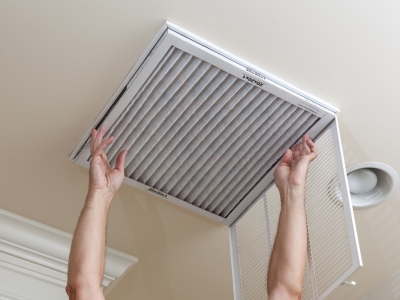
filter One of the most efficient methods for maintaining a clean indoor environment is consistent air filter replacement. Industry standards typically recommend that a fresh air filter be replaced every 3 months—or more frequently in households with pets or residents with seasonal allergies. Beyond the filter, scheduling annual air conditioning maintenance and heating maintenance is vital for the longevity of the entire HVAC system.

  • Enhanced Filtration: Regularly swapping an air filter prevents dust and dander from recirculating through the ductwork.
  • System Efficiency: Professional AC maintenance keeps coils clean, allowing the unit to cool the home without excessive strain.
  • Cost Savings: Well-maintained equipment operates at peak performance, leading to lower monthly utility bills.

By prioritizing heating maintenance and cooling tune-ups, a homeowner ensures that the air being pushed through the vents is as clean as possible. These routine tasks form the backbone of a healthy, high-performing home environment.

Humidity Control

humidityThe amount of moisture in the air plays a critical role in how heavy or clean a room feels. Experts agree that maintaining an ideal indoor humidity level between 30% and 50% is crucial for optimal indoor air quality. When levels fall outside of this range, it can lead to physical discomfort or encourage the growth of unwanted biological contaminants.

  • Moisture Balance: Maintaining the 30% to 50% range prevents the air from becoming too dry in the winter or too damp in the summer.
  • Structural Protection: Balanced humidity helps prevent warping or cracking in wooden flooring and furniture.
  • Respiratory Comfort: Proper moisture levels help prevent dry skin, itchy eyes, and irritated nasal passages.

Depending on a house’s specific climate, a professional humidifier installation may be necessary to add moisture during dry spells. Conversely, if a home feels muggy or shows signs of condensation, a dehumidifier installation can effectively pull excess water from the air, keeping the indoor climate crisp and balanced.

Air Cleaners, Purifiers, and Filtration Systems

For those looking to achieve a superior level of air purity, modern technology offers powerful solutions that go beyond standard HVAC filters. Installing a whole-home air cleaner, air purifier, or advanced air filtration system can drastically reduce the concentration of microscopic pollutants and volatile organic compounds (VOCs). These systems are integrated directly into the home’s existing ventilation to capture particles that traditional filters might miss.

  • Health Advantages: High-efficiency systems are particularly beneficial for residents dealing with asthma or chronic respiratory conditions.
  • Odor Elimination: An air purifier can help neutralize lingering smells from cooking, pets, or household cleaners.
  • Total Coverage: Unlike portable units, a whole-home air filtration system treats every cubic foot of air circulating through the property.

Because every household has unique needs based on its layout and residents’ lifestyle, HVAC professionals can provide personalized recommendations. This ensures that the installed air cleaner or filtration technology is perfectly sized to address the home’s specific challenges.

About SOS Heating & Cooling

SOS Heating & Cooling is Omaha’s oldest and largest locally-owned HVAC company, providing trusted heating and cooling solutions with honesty, professionalism, and a family-like approach. Serving Douglas, Sarpy, and Pottawattamie Counties, their expert technicians deliver reliable, tailored service with straightforward pricing and a commitment to customer comfort and satisfaction. Call them for dependable indoor air quality services in Omaha, NE.

How a Smart Thermostat Saves Energy and Money

Smart Thermostats and Their Advantages Explained

Homeowners who still rely on outdated, manual thermostats are missing out on major opportunities to reduce costs and improve the control of their indoor comfort. The popularity of smart thermostats has exploded, providing unmatched convenience, in-depth data, and significant improvements in energy efficiency, all facilitated by Wi-Fi connectivity. This post aims to clarify what sets smart thermostats apart, the advantages of a smart thermostat installation, and key indicators that suggest the current thermostat needs an upgrade.

What Is a Smart Thermostat?

A smart thermostat is a Wi-Fi-enabled device that regulates a home’s heating, ventilation, and air conditioning (HVAC) system. Unlike a simple manual thermostat, which requires constant adjustments, or basic programmable thermostat models that only allow pre-set schedules, the smart thermostat represents the most sophisticated option, packed with advanced automation and capabilities.

Its innovative features include remote operation via a mobile app, seamless integration with voice assistants, and the ability to learn and adapt to household routines. Features such as geofencing, which monitor residents’ location, allow the system to automatically reduce energy consumption when the home is empty and restore optimal comfort levels before their return. A smart thermostat surpasses other models by offering a wider array of desirable features and allowing users to control their system from any location via Wi-Fi. 

Benefits of Smart Thermostat Installation

save money The most compelling reason to upgrade to a smart thermostat is its ability to reduce energy use and lower monthly utility bills. These devices are engineered to automatically fine-tune temperatures based on learned routines and personal preferences, incorporating advanced features such as vacation mode and location-based geofencing to prevent wasted heating or cooling when the property is unoccupied. 

Beyond improving energy efficiency and the clear financial perks, smart home thermostats can significantly enhance convenience and comfort. Users can adjust their smart thermostat settings from anywhere using a smartphone app, ensuring convenience through remote operation and the ideal temperature upon their arrival home. Moreover, many models offer valuable system diagnostics and alert features that can proactively identify potential performance issues, thus contributing to the longevity and peak efficiency of the heating and AC system.

Signs to Replace a Thermostat

thermostatThere are several indicators that can signal it’s time for thermostat replacement, paving the way for a new thermostat installation. An obvious sign is inaccurate temperature reporting, which can lead to the home failing to reach the desired setting or temperature on the thermostat, or the AC or heating unit frequently cycling on and off (short cycling) or running non-stop for extended periods. Other warning signs include a completely dark or unresponsive display, unexplained spikes in energy bills, or an old, obsolete thermostat in need of replacement due to age.

An outdated or failing thermostat can struggle to communicate effectively with the heating and cooling equipment, which can result in inefficient operation, higher operating costs, and inconsistent temperature regulation throughout the property. But failing to address a malfunctioning thermostat can lead to serious problems beyond discomfort and higher energy costs. Faulty temperature readings can force the system to overwork, which can accelerate the wear and tear on internal components and potentially cause a system breakdown that necessitates repair or even premature replacement of the unit. Proactively replacing an aging or broken thermostat is a vital step in protecting the investment made in the home’s heating and air conditioning system.

Call SOS Heating & Cooling

SOS Heating & Cooling has more than seven decades of experience serving Omaha and the surrounding areas. They provide straightforward pricing, the longest warranties, and financing options. Call them for smart thermostat installation in Omaha, NE

Distribution Links +

The Advantages of Ductwork Cleaning and Maintenance

Why Get Regular Duct Cleaning?

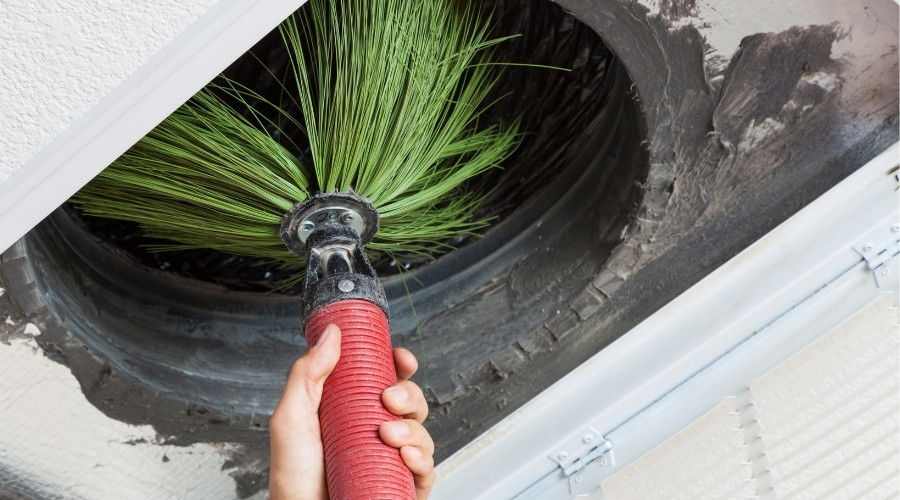
The air duct system functions as the pathway for a home’s conditioned air, continuously distributing heated or cooled air throughout all rooms. Yet, these hidden channels inevitably gather substantial amounts of dust, pollutants, allergens, and other debris over time. Enlisting a professional for regular air duct cleaning and maintenance helps maintain a healthy, comfortable, and efficient home environment. This post explores the significant advantages of routine air duct cleaning and maintenance.

Improves Indoor Air Quality and Reduces Allergens

air quality Professional cleaning of air ducts is important for maintaining a healthy indoor environment. The ductwork can become home to dust, dirt, pet dander, mold spores, and various other allergens and contaminants. Each time the heating or air conditioning unit cycles on, these pollutants are propelled into the home’s living areas. Air duct cleaning removes this buildup, substantially reducing the concentration of airborne irritants.

This improvement in indoor air quality is beneficial for the health of those in the home, particularly helpful for sensitive groups, including young children, seniors, and individuals with respiratory conditions such as asthma or severe allergies. By removing these unseen allergens, air duct cleaning directly supports the health and overall well-being of the home’s occupants, enabling everyone to breathe easier.

Improves Energy Efficiency

save money The accumulation of dirt and contaminants within the air ducts not only compromises air quality but can also negatively affect the operational performance of the heating and air conditioning system. Layers of debris and grime can create obstructions in the ducts, hindering the smooth, unrestricted movement of air. When airflow is restricted, the system must work harder to reach the temperature set on the thermostat, leading to excessive energy consumption.

By removing this collected matter and catching and fixing air leaks in the ducts during an inspection, professional duct cleaning and maintenance restore optimal air circulation, enabling the system to operate with greater energy efficiency, leading to fewer temperature fluctuations and requiring less power to heat or cool the residence. This improvement in energy-efficient performance can translate into savings on monthly utility bills.

Reduces the Likelihood of Future Repairs and Helps the System’s Lifespan

During air duct maintenance and cleaning, a qualified technician conducts an inspection of the ductwork. This crucial examination allows the technician to identify and rectify problems that might otherwise go unnoticed, such as tears that allow air to leak from the ducts, loose connections, or other issues. Addressing these issues promptly helps prevent them from developing into a larger, more expensive air duct repair later on and stops the inefficiency.

Additionally, when an AC and heating system operates inefficiently because of dirty air ducts, the resulting extra stress on its components can accelerate wear and tear, reducing its operational life. Routine duct cleaning helps ensure the system continues to run at peak efficiency, minimizing stress on vital parts. Maintaining optimal performance and proactively resolving potential issues can help extend the lifespan of the heating and cooling system.

About SOS Heating & Cooling

SOS Heating & Cooling has been providing heating and air conditioning services to the Omaha community for over 70 years. They offer competitive prices, quick solutions, and trusted technicians. Call them for air duct maintenance and duct cleaning services in Omaha, NE

Distribution Links +

How a Humidifier Can Improve Winter Comfort

The Advantages of Installing a Whole Home Humidifier and Signs It’s Needed

Winter presents unique challenges for maintaining indoor air quality and home comfort. As temperatures drop, heating systems work overtime to warm interiors, often leading to excessively dry air. This is where a whole house humidifier installation comes in—providing a reliable solution to balance humidity levels and improve overall living conditions. Recognizing the need for a humidifier installation and understanding its benefits not only enhances comfort but also protects the home and health. Explore the significant advantages of a whole house humidifier installation today in this article.

What Does a Whole House Humidifier Do?

Whole house humidifiers are designed to regulate humidity levels throughout the home, offering relief from the dry air that heating systems often exacerbate in winter. 

A whole home humidifier integrates with the HVAC system to humidify the air before it circulates through the living spaces. Uniformly dispersing added moisture prevents the air from becoming too dry, maintaining desirable humidity levels that contribute to a healthier environment.

In winter, the cold air outside holds less moisture, which is further depleted by indoor heating, leading to dryness. This low humidity can lead to discomfort, including dry skin and respiratory irritation. A whole house humidifier combats these issues by ensuring the air retains adequate moisture.

By maintaining optimal moisture levels, a humidifier prevents the discomfort associated with dry, arid air. This enhances not only physical comfort but also protects wooden furnishings and flooring from cracking and damage due to dry conditions.

With a whole home humidifier installation, homeowners can achieve balanced humidity levels that align with comfort and health needs during harsh winter months.

Signs the House Needs a Humidifier Installation

dry skin Identifying the signs of low indoor humidity is essential for maintaining a comfortable and healthy home environment. Here are some indicators that suggest a humidifier installation may be necessary:

  • Dry or Cracked Wood Furniture or Flooring: If wooden furniture and floors are drying out, cracking, or warping, it’s a strong indication that humidity levels are too low. Wood is particularly susceptible to damage in dry conditions, which a whole house humidifier can prevent by maintaining adequate moisture.
  • Physical Discomfort: Symptoms like dry, itchy skin and chapped lips can be caused by insufficient humidity. A humidifier installation helps alleviate these issues by providing enough moisture to keep the skin hydrated and supple.
  • Respiratory Irritation: Low humidity can lead to scratchy throats, dry coughs, and exacerbated asthma or allergy symptoms. By ensuring the air remains humidified, a whole home humidifier can help ease these respiratory discomforts, improving overall wellness.
  • Nosebleeds: Dry air can irritate nasal passages, increasing the likelihood of nosebleeds. Persistent issues could indicate the need for increased humidity to soothe and maintain healthy nasal tissue.
  • Frequent Static Electricity Shocks: If household members experience more static electricity shocks than usual, it’s a sign of dry air. A humidifier installation can minimize static buildup by maintaining a balanced humidity level.

Recognizing these signs empowers homeowners to take proactive measures to install a humidifier, thereby enhancing comfort and health by balancing indoor air quality.

Benefits of a Whole Home Humidifier

save money The benefits of a humidifier extend beyond mere comfort, impacting energy efficiency, health, and property preservation. Here’s why investing in a whole house humidifier is advantageous:

  • Improved Energy Efficiency and Lower Heating Costs: By maintaining higher humidity, a humidifier makes the home feel warmer. This allows thermostats to be set lower without sacrificing comfort, leading to reduced heating bills and enhanced energy efficiency in the long term.
  • Enhanced Indoor Air Quality: Whole house humidifiers improve air quality by alleviating dryness that contributes to respiratory issues, dry nasal passages, and sore throats. Reducing these discomforts can also make allergy and asthma symptoms more manageable, promoting better health.
  • Prevents Wood Floors and Furniture from Cracking or Warping: By maintaining balanced humidity, humidifiers protect wooden furniture and flooring, preventing the cracking and warping that occurs in overly dry environments. This protection extends the life and appearance of valuable home interiors.
  • Reduced Static Electricity: Proper moisture levels provided by a humidifier help to cut down on static electricity, which can prevent annoying shocks and protect electronic devices from static discharge.
  • Keeps Skin and Hair More Moisturized: The consistent humidity level achieved with a whole home humidifier prevents skin dryness and irritation, keeping the skin and hair well-moisturized and comfortable during the winter months.

By embracing the benefits of a humidifier, homeowners can enjoy a more efficient, comfortable, and healthier living environment through strategic humidity management. Don’t wait for dry air to cause disruptions—contact a professional for whole house humidifier installation and experience the transformative impact on home comfort and well-being.

About SOS Heating & Cooling

SOS Heating & Cooling is a third-generation, family-owned business that proudly serves Greater Omaha and the surrounding areas for all their heating and cooling needs. Their trusted technicians will never upsell but provide quick solutions and the longest warranties. Call now for humidifier services in Omaha, NE.

Signs That Indicate the Need for Heating Repair

When to Call for Heater Repair

The winter months bring cold temperatures that make a reliable heating system an absolute necessity, not a luxury. When the heater is functioning correctly, it’s easy to take its reliable, efficient warmth for granted. However, ignoring the subtle or sometimes obvious warning signs of a system in distress can quickly turn a minor repair into a major breakdown, leaving the household without heat. Knowing when to call professional heating contractors for heater repair is critical for maintaining comfort. This post will share some common signs that a heater needs repair.

High Utility Bills

bills A sudden spike in monthly utility bills can signal that the heating system is operating inefficiently due to a problem that needs repair. This excessive energy consumption is often the result of underlying issues, such as a failing blower motor, a malfunctioning thermostat, air duct leaks, a dirty air filter, and more, all of which can force the unit to run longer and work harder to maintain the set temperature. Instead of delivering warmth efficiently, the compromised system wastes energy, resulting in unnecessarily high heating costs.

Addressing these issues through professional heater repair is the most effective way to restore the system’s efficiency and bring energy costs back down to a manageable level. Technicians can diagnose the reason for the inefficiency and replace or repair the faulty components, allowing the heater to operate as intended. However, other possible causes of high heating costs include skipping regular heating maintenance or an old heater that has lost efficiency due to aging

Unusual Sounds or Smells

Any strange noises coming from the heating system are a clear sign of problems. Sounds like grinding, scraping, squealing, banging, or persistent rattling often point to issues within the system’s moving parts, such as a loose or failing motor belt, a worn-out fan bearing, or debris caught in the blower fan. Ignoring these warnings can lead to additional problems and damage, which can turn a minor repair into a more complex, costly repair or replacement. A professional technician can quickly identify the source of the noise and fix the issue before it causes further, more serious damage to the unit.

Similarly, unusual odors emanating from the heating system can also signal issues. While a temporary, burning smell when the unit is first turned on for the season is common due to dust, ongoing burning odors can be caused by electrical issues or overheating, which pose a fire hazard. A sulfur or rotten-egg smell can be a warning sign of a natural gas leak and also requires immediate attention and repair to ensure safety.

Insufficient Heating

cold Any issues with heating the home can also indicate the need for heater repair. If there’s no heat, the home is not reaching the temperature set on the thermostat, or there are significant differences in warmth across various rooms, causing uneven heating and cold spots, it’s a sign that the heater is struggling and requires attention. This diminished performance can be caused by several issues, and a professional can inspect the heating system to determine the cause of the heating problems and the best solution to restore warmth and comfort. 

Attempting to compensate for insufficient heating by constantly raising the thermostat only exacerbates the problem, leading to unnecessary wear and tear on the system and contributing to the high utility bills previously mentioned. A professional inspection will diagnose whether the problem is a component failure, such as a faulty thermostat or a heat exchanger issue, or a simple maintenance fix, such as an air filter replacement. Once the issue is fixed, it will restore the heater’s efficiency and ensure consistent, reliable comfort.

About SOS Heating & Cooling

SOS Heating & Cooling is a third-generation, family-owned business serving the Omaha community. They provide straightforward pricing, no upselling, and quick solutions. Call them for heater repair services in Omaha, NE

Why Consider a Heat Pump Upgrade?

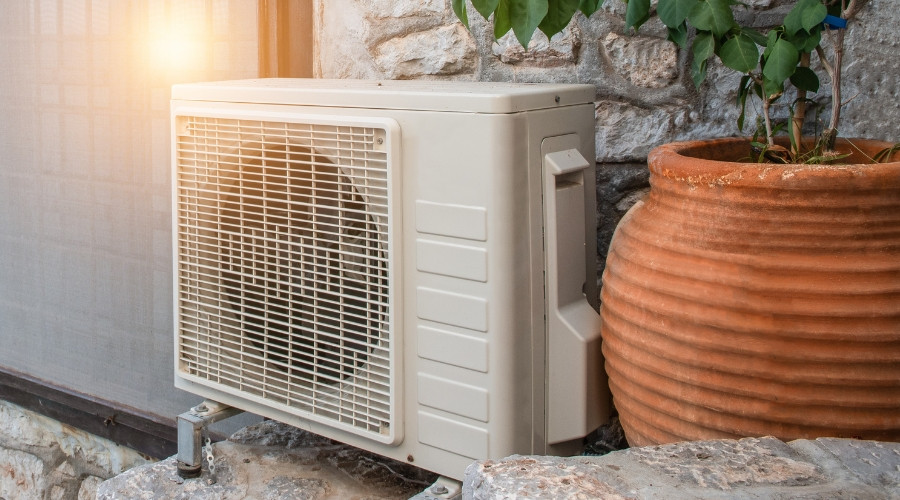
Outdoor heat pump unit installed beside a potted plant, illustrating HVAC technology for efficient heating and cooling systems.

Heat Pumps Explained

Looking for a smarter way to manage comfort in every season? Installing a heat pump can consolidate heating and cooling into a single, efficient system. This overview explains how a heat pump system works, compares ducted heat pump and ductless heat pump options (including mini-split heat pumps), outlines the benefits of heat pump installation, and highlights early signs that indicate a need for heat pump repair.

What Is a Heat Pump?

A heat pump is an HVAC appliance designed to move heat rather than create it through combustion. In heating mode, the system extracts available heat from the outdoor air and transfers it indoors; in cooling mode, the process reverses, carrying indoor heat outside in the same manner as an air conditioner. Because a single heat pump system can both heat and cool, many properties replace separate furnace and AC units with one coordinated solution.

Two primary configurations suit most layouts. A ducted heat pump connects to existing ductwork, providing whole‑home air distribution through supply registers and returns. A ductless heat pump—commonly known as a mini-split heat pump—uses compact indoor air handlers in selected rooms for zoned comfort without the need for ducts. Both formats rely on the same refrigerant‑based transfer of heat but differ in how conditioned air reaches living spaces. With correct sizing, placement, and controls, either approach can deliver steady temperatures, quieter operation, and measured energy use across the year.

Benefits of Installing a Heat Pump

Family enjoying quality time together, saving money in a piggy bank, symbolizing financial planning and comfort at home.A well‑planned heat pump installation can streamline comfort and simplify maintenance. By transferring heat instead of generating it from fuel, a heat pump typically operates in smoother, longer cycles, which helps reduce temperature fluctuations and mechanical strain. Many households also prefer the single-system approach—one outdoor unit and matched indoor components—over maintaining separate pieces of equipment for winter and summer use.
Flexibility is a key advantage. A ducted heat pump integrates naturally where ducts are already in place, while a ductless heat pump excels in homes where installing new ducts would be disruptive or cost‑prohibitive. A mini split heat pump also allows for zoned control: rarely used rooms can be set back while main living areas remain comfortable, helping to align output with actual usage. In cooling mode, multi-speed compressors and fans can support improved humidity control. In heating mode, inverter technology commonly provides gentle, consistent output compared to older on/off systems.

Space and service considerations also improve. Consolidating equipment can reduce crowding in mechanical areas and simplify annual service schedules. When paired with sensible air sealing and insulation, a modern heat pump system can maintain reliable comfort while keeping day‑to‑day operation predictable—without the complexity of managing separate heating and cooling units.

Signs Heat Pump Repair Is Needed

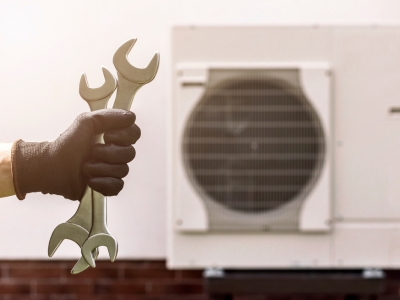
Hand holding wrenches in front of a heat pump unit, symbolizing heat pump repair and maintenance services.Like any mechanical equipment, a heat pump occasionally signals trouble before a full failure. New or persistent noises—grinding, squealing, rattling, or pronounced buzzing—may indicate worn bearings, a failing motor, or loosened fasteners and should be evaluated promptly for heat pump repair. Short cycling (frequent on-off operation), nuisance breaker trips, or lockouts can indicate control faults, thermostat issues, or airflow restrictions that require professional diagnosis.

Performance changes provide additional clues. Weak airflow from registers or indoor heads can be traced to a clogged filter, an obstructed indoor coil, a blower problem in a ducted heat pump, or duct limitations upstream. Uneven temperatures across rooms—or a zone that never reaches setpoint in a mini split heat pump installation—may suggest an incorrect refrigerant charge, a malfunctioning reversing valve, or misconfigured controls. A steady rise in electricity use without a clear weather‑related cause can also indicate declining efficiency and the need for inspection.

Mode problems are another warning. A unit stuck in heating or cooling mode typically points to a control‑board fault or a reversing‑valve issue. Ice that persists on the outdoor coil beyond normal defrost cycles can signal airflow or refrigerant concerns and should be addressed quickly to protect the compressor. Acting on these symptoms early helps restore consistent operation, extend system life, and prevent a no‑heat or no‑cool call during extreme weather.

In summary, selecting an appropriate configuration—ducted heat pump or ductless heat pump—combined with professional heat pump installation, thoughtful controls, and timely heat pump repair when symptoms arise, can deliver dependable, efficient comfort throughout the year.

About SOS Heating & Cooling

SOS Heating & Cooling is a top-notch HVAC company guided by its values of honesty and professionalism and offering a family-like experience to its customers in Omaha and the surrounding areas. Call today for quick solutions and to schedule heat pump services in Omaha, NE.

Distribution Links +

The Importance of Scheduling Heater Maintenance This Fall

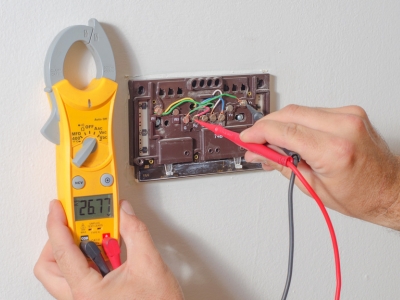
Technician performing maintenance on a heating system, inspecting electrical components with a clamp meter, showcasing the importance of heater maintenance for optimal performance and safety.

Get Heating Systems Ready for Colder Weather With Maintenance

Waiting for the first cold snap is a risky way to find out a furnace needs attention. Scheduling heater maintenance in the fall is a practical step to avoid mid‑winter surprises. A thorough checkup supports steady warmth, more consistent performance, and manageable operating costs. Proactive heating maintenance also brings peace of mind when temperatures drop and reliability matters most. The sections below outline why a timely visit is a smart, budget‑friendly decision.

Benefits of Maintaining the Heater

Person placing a coin into a jar filled with coins, illustrating financial savings and budgeting in a home setting.Routine heater maintenance delivers measurable advantages across comfort, safety, and operating costs. A clean, well‑tuned system moves air more freely, burns fuel more efficiently, and cycles on and off as designed—reducing unnecessary wear. Addressing small issues early helps prevent larger failures later, which is why regular heating system maintenance often results in fewer emergency calls during the coldest weeks of the year.
Furnace maintenance is also about protection and longevity. Inspections catch developing concerns such as cracked ignitors, loose electrical connections, restricted airflow, and early signs of mechanical fatigue. Correcting these items reduces stress on motors, blowers, and heat exchangers, extending the useful life of the equipment. Many manufacturers expect seasonal service as part of best practices, and consistent records can support warranty expectations if repairs become necessary.

Indoor air quality benefits from maintenance, too. A fresh air filter or furnace filter, clean burners, and unobstructed ductwork help reduce dust and debris in circulation. Regular air filter replacement or furnace filter replacement minimizes airflow restrictions that can cause poor temperature balance from room to room. The result is smoother performance, better comfort, and fewer surprises as winter wears on.

What Does Heater Maintenance Entail?

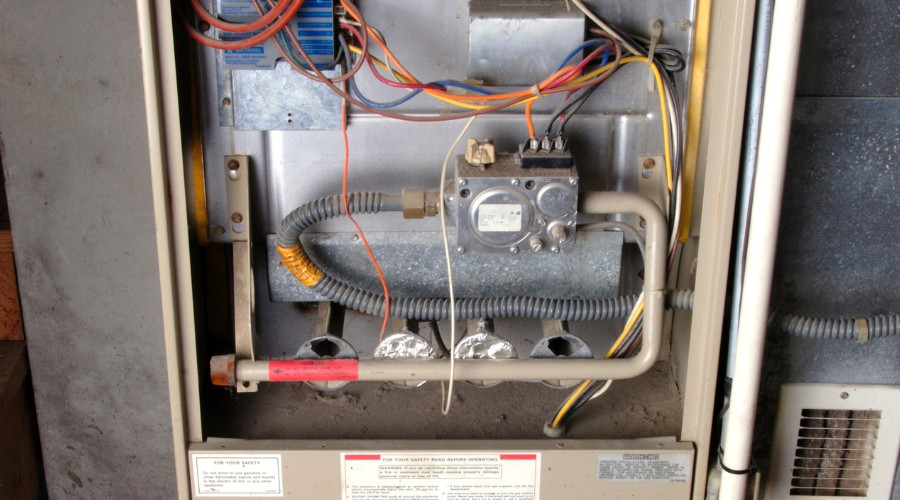
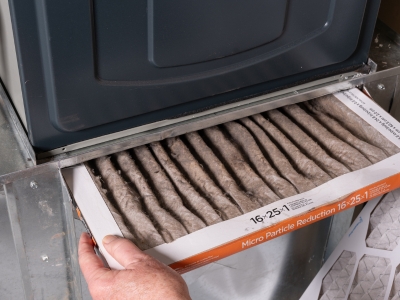
Furnace filter being replaced, highlighting importance of regular maintenance for indoor air quality and system efficiency.Professional heating maintenance is a comprehensive, system‑wide review designed to keep equipment operating safely and efficiently. A typical furnace maintenance visit often includes:

  • Inspecting the heat exchanger, burners, and ignition components
  • Verifying safety controls, limit switches, and proper shutdown behavior
  • Checking the blower assembly, belts (if applicable), and motor amperage
  • Tightening electrical connections and evaluating wiring conditions
  • Measuring temperature rise and confirming thermostat calibration
  • Inspecting venting and flue systems; clearing condensate drains where present
  • Reviewing overall airflow and static pressure for proper distribution

These steps, combined with cleaning critical parts, help ensure that heating system maintenance addresses both performance and safety. Technicians may recommend updates such as a new air filter or furnace filter to restore airflow. Between visits, routine air filter replacement or furnace filter replacement is one of the easiest ways to protect equipment. A clogged filter can strain the system and introduce unnecessary dust into living spaces, while a clean filter supports efficient operation throughout the season.

Homeowners can also monitor for early warning signs, such as unusual sounds, short cycling, or uneven heating across rooms. When those signs appear, quick attention can prevent escalating wear and avoid inconvenient outages. Maintenance acts as a safety net that keeps small issues from becoming costly problems.

Is It Too Early to Worry About the Heater?

Fall is the ideal window for heater maintenance. Scheduling before the first deep freeze means technicians have greater availability, appointments are easier to secure, and systems are tuned and ready when cold weather arrives in full force. This approach to heating maintenance often results in more thorough visits and fewer scheduling bottlenecks compared to peak winter demand.

Preventive heating system maintenance also preserves comfort when it counts. Clean burners, calibrated controls, and reliable ignition translate to fewer restarts and steadier temperatures. A well‑maintained furnace typically runs with less strain, helping to keep fuel or electricity usage in check and minimizing wear on major components. For homes with heat pumps or hybrid systems, a fall tune‑up helps ensure smooth switchover and dependable performance through fluctuating temperatures.

Pairing professional service with consistent air filter replacement or furnace filter replacement rounds out the strategy. This simple step promotes healthy airflow, protects motors and heat exchangers, and supports the longevity of the entire system. When combined with annual inspection and cleaning, a home’s heating equipment is better positioned to deliver reliable comfort from the first chilly night through the last cold morning.

About SOS Heating & Cooling

SOS Heating & Cooling is a leading HVAC company proudly providing expert services to the communities of Omaha, NE, for over 70 years. They offer tailor-made solutions, fair pricing, and trusted technicians. Call them today for Heater Repair & Maintenance in Omaha, NE.

Distribution Links +

Air Conditioning 101: What Homeowners Need to Know

Air conditioning unit installed outside a home, showcasing brick wall and grassy area, relevant to HVAC systems and energy efficiency.

Important Air Conditioning Basics to Know

Understanding the fundamental aspects of air conditioning can significantly enhance homeowners’ ability to maintain a comfortable indoor environment while optimizing energy efficiency. From choosing the right system to maintaining peak performance, here’s what every homeowner should know about air conditioning systems and their upkeep.

Common Types of Air Conditioning Systems

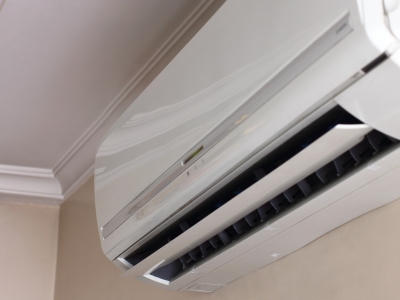
Ductless mini-split air conditioning system mounted on a wall, illustrating a common type of air conditioning system for efficient cooling in homes.Choosing the right air conditioning system is pivotal for ensuring effective and efficient cooling. Two popular choices are central air conditioning systems and ductless mini-split systems, each offering unique advantages:

Central Air Conditioning System: 

A central AC system uses a network of ducts to circulate cooled air throughout the entire home. This type of system is ideal for uniformly cooling large areas and is compatible with existing ductwork, making it a popular choice for many homes. Benefits include consistent temperature control, improved indoor air quality when paired with air filtration, and quiet operation, as the noisy components are located outside.

Ductless Mini-Split Air Conditioner: 

A ductless mini-split system comprises an outdoor compressor and one or more indoor units, providing flexible zoning for individual room temperatures. It is an excellent option for homes without existing ductwork or for targeted areas such as additions or converted spaces. Advantages include enhanced energy efficiency by allowing precise temperature control in occupied spaces, ease of installation, and minimal energy loss since there are no ducts.

Selecting between a central air conditioner and a ductless mini-split system largely depends on the specific needs of the home and personal preferences for energy efficiency and installation logistics.

Signs an AC Unit Needs Repair

Recognizing early signs of trouble in an air conditioning unit is crucial for preventing costly repairs and maintaining system efficiency. Be vigilant for these common indicators:

Insufficient Cooling: When the AC unit struggles to maintain set temperatures, this could signify low refrigerant levels, a malfunctioning compressor, or issues within the ductwork. Prompt air conditioner repair can prevent the problem from worsening.

  • Weak Airflow: Poor airflow might result from clogged filters or a failing blower motor, necessitating immediate AC repair to ensure optimal performance.
  • Unusual Noises: Sounds like grinding, rattling, or squealing can indicate mechanical issues such as loose components or failing parts. Addressing these noises quickly through professional repair prevents further damage and restores quiet operation.
  • High Energy Bills: A noticeable increase in energy bills could signal inefficiencies in the system, meaning the AC unit is working harder than necessary. Professional air conditioner repair can help restore efficiency and lower operational costs.
  • Frequent Cycling: If the AC unit turns on and off repeatedly without completing full cooling cycles, this indicates possible thermostat issues, sizing problems, or sensor malfunctions.

By addressing these issues through experienced AC repair services, homeowners can extend the life of their AC units and maintain optimal cooling comfort.

The Importance of Maintenance

Air conditioning filter showing dust buildup, emphasizing the importance of regular maintenance and cleaning for optimal system efficiency.Regular AC maintenance is essential for ensuring long-term reliability and efficiency. Professional air conditioner maintenance services offer significant benefits:

  • Thorough Inspection: Technicians conduct a comprehensive evaluation of the system, checking for wear and tear, refrigerant levels, and any leaks in the ductwork, thereby identifying potential issues before they become major problems.
  • Cleaning of Components: Regular cleaning of critical components such as coils, condensate drains, and filters enhances airflow, reduces strain on the system, and improves indoor air quality.
  • System Calibration and Testing: To maintain peak performance, professionals test and calibrate thermostats and various components, ensuring the AC unit operates efficiently.
  • Regular Air Filter Replacement: While annual professional maintenance is crucial, air filter replacement is necessary more frequently, approximately every 1-3 months. Regularly changing filters maintains airflow, improves air quality, and prevents unnecessary system strain.

Investing in routine air conditioner maintenance enhances system longevity, improves efficiency, and minimizes the risk of unexpected breakdowns.

About SOS Heating & Cooling

SOS Heating & Cooling is the oldest and largest locally-owned company in the Omaha area. They offer straightforward pricing and on-time service for a hassle-free process. Call now for air conditioning services in Omaha, NE.

Distribution Links +

The Advantages of Installing a New Air Conditioning Unit to Replace an Old One

Air conditioning unit outdoors, highlighting energy efficiency and home cooling solutions, relevant to HVAC installation benefits.

Benefits of a New Air Conditioner Installation

Is the household’s existing air conditioner old or struggling to keep the home cool and comfortable? An aging AC unit can lead to skyrocketing energy bills, more frequent breakdowns, and inconsistent temperatures. While it might seem like a significant investment, replacing an outdated air conditioner with a new, energy-efficient model offers several benefits. This post will share the advantages of an air conditioner replacement

Energy Savings

Person inserting coin into a pink piggy bank, symbolizing savings and energy cost reduction associated with new air conditioner installation.One of the most compelling reasons to replace an old air conditioner is to save on energy bills. As AC units age, their components wear down, leading to a gradual decline in energy efficiency. This means the older AC system has to work harder and longer to achieve the same cooling effect, directly translating into higher energy consumption and utility bills.

Beyond the natural efficiency decline of older units, newer air conditioner models are designed with vastly improved energy efficiency standards. Innovations in compressor technology, refrigerant use, and smart controls mean that even a well-maintained older unit can’t compete with the efficiency of a brand-new system. By installing a new, energy-efficient air conditioner to replace an aging, inefficient one, homeowners can drastically reduce their monthly cooling costs, allowing them to enjoy a comfortable environment without the financial strain.

Fewer Problems and Repairs

Technician performing maintenance on an air conditioning unit, emphasizing the importance of reducing repair frequency and improving efficiency for homeowners.One of the most frustrating aspects of an aging air conditioning unit is the increasing frequency of problems and breakdowns, and the associated repair costs. As components wear out, everything from minor glitches to major malfunctions becomes more common, leading to unexpected expenses and inconvenient disruptions to home comfort. Constantly calling for repairs, waiting for parts, and dealing with a house that’s too hot can be a significant source of stress and financial strain.

Replacing an older air conditioner that’s nearing or has outlasted its life expectancy, or one that has been experiencing frequent problems, can significantly reduce the risk of future problems and repairs. A new AC unit will be more reliable, reducing the risk of discomfort, breakdowns, and unexpected repair costs while avoiding the inconvenience of a malfunctioning system and waiting for repairs. 

Ability to Resize the AC Unit

One often-overlooked advantage of replacing an old air conditioner is the opportunity to ensure the new AC unit is properly sized for the home. An improperly sized AC unit, whether too large or too small, can lead to various problems. An oversized unit will cycle on and off too frequently, failing to adequately dehumidify the air and leading to uncomfortable humidity levels, decreased efficiency, and premature wear on components. On the other hand, an undersized unit will struggle to cool the home, running constantly. It may not reach desired temperatures, leading to excessive energy consumption and a shortened lifespan for the system.

A new AC installation provides the perfect opportunity to have a professional HVAC contractor assess the home’s specific cooling needs. Factors such as square footage, ceiling height, and even the number of occupants are all considered to determine the optimal AC unit size. By investing in a new system precisely tailored to the home’s requirements, it can maximize energy efficiency, ensure consistent comfort, and extend the lifespan of the new air conditioning unit, thereby avoiding the pitfalls associated with an improperly sized system.

About SOS Heating & Cooling

SOS Heating & Cooling has more than 70 years of experience serving the Omaha community. They offer straightforward pricing, no upselling, and financing options. Call them for air conditioner installation and replacement services in Omaha, NE

Distribution Links +

Simple Tips to Help Save On Cooling Costs This Summer

Person inserting a coin into a pink piggy bank, symbolizing savings and financial tips for reducing cooling costs in HVAC maintenance.

Ways to Save Money While Staying Comfortable

If homeowners are looking for ways to reduce their energy bills without having to sacrifice comfort this summer, some simple tips can help. This post will share ways to reduce cooling costs while maintaining a cool and comfortable home. 

AC Maintenance and Replacing Air Filters 

Annual air conditioner maintenance is a crucial part of home maintenance that can also help reduce cooling costs. So, if homeowners have not scheduled professional AC maintenance yet this year, it is not too late to benefit from it. Annual AC tune-ups allow professionals to perform important tasks to keep the air conditioner energy-efficient and inspect crucial components to identify any issues that may be causing inefficiency and high energy costs.

Routine air filter replacement is also essential for energy efficiency and keeping energy bills low. Clogged and dirty air filters cause the system to operate inefficiently, resulting in higher energy costs. So, homeowners should check their AC filters monthly and replace them when dirty, typically every one to three months. Regular air conditioning maintenance and AC filter replacement not only result in better efficiency and lower cooling costs, but they can also extend the lifespan of the air conditioner, reduce the risk of problems, and improve indoor air quality. 

Use Ceiling Fans

Ceiling fan with sleek design and five blades, mounted on a white ceiling, illustrating energy-efficient cooling solutions for homeowners.When ceiling fans are used with air conditioning in the summer, they can help homeowners save money on cooling costs. This is because when a ceiling fan rotates counterclockwise during the summer months, it creates a wind-chill effect that makes people feel around four degrees cooler, allowing them to raise the thermostat by four degrees to reduce energy usage and save on energy costs without sacrificing comfort. 

Homeowners can also use ceiling fans to save on their heating costs in the winter by adjusting the settings of the ceiling fan. While ceiling fans should spin counterclockwise at a higher speed in the summer, during the winter, they should spin clockwise at a low speed to move the warm air trapped at the ceiling down, making it feel warmer.

Upgrade to a Smart Thermostat

Smart thermostat displaying temperature setting of 74°F, illustrating energy-saving features for homeowners to reduce cooling costs.A smart thermostat installation is another way homeowners can reduce their utility costs, not just in the summer, but all year. They have several energy-saving features and can automatically adjust temperatures based on the daily schedules of household residents to ensure the home is comfortable when occupied, but saves energy when empty.   

Smart thermostats are controlled from smartphones, tablets, or other devices with a Wi-Fi connection. This allows homeowners to be able to adjust their smart thermostats even when out of the house, providing convenience and the ability to adjust to a more energy-saving feature, such as vacation mode, as needed to save on their energy bills. 

About SOS Heating & Cooling

SOS Heating & Cooling is a locally-owned company that has been serving the Omaha area since 1950. They offer competitive prices, quick solutions, and trusted technicians. Call them for air conditioning services in Omaha, NE